File when a storm caused real, documented damage that exceeds your deductible by a healthy margin. Don't file for wear, age, or minor damage below the deductible — a claim goes on your record either way. Always get a free professional inspection first, so you decide with facts instead of fear.
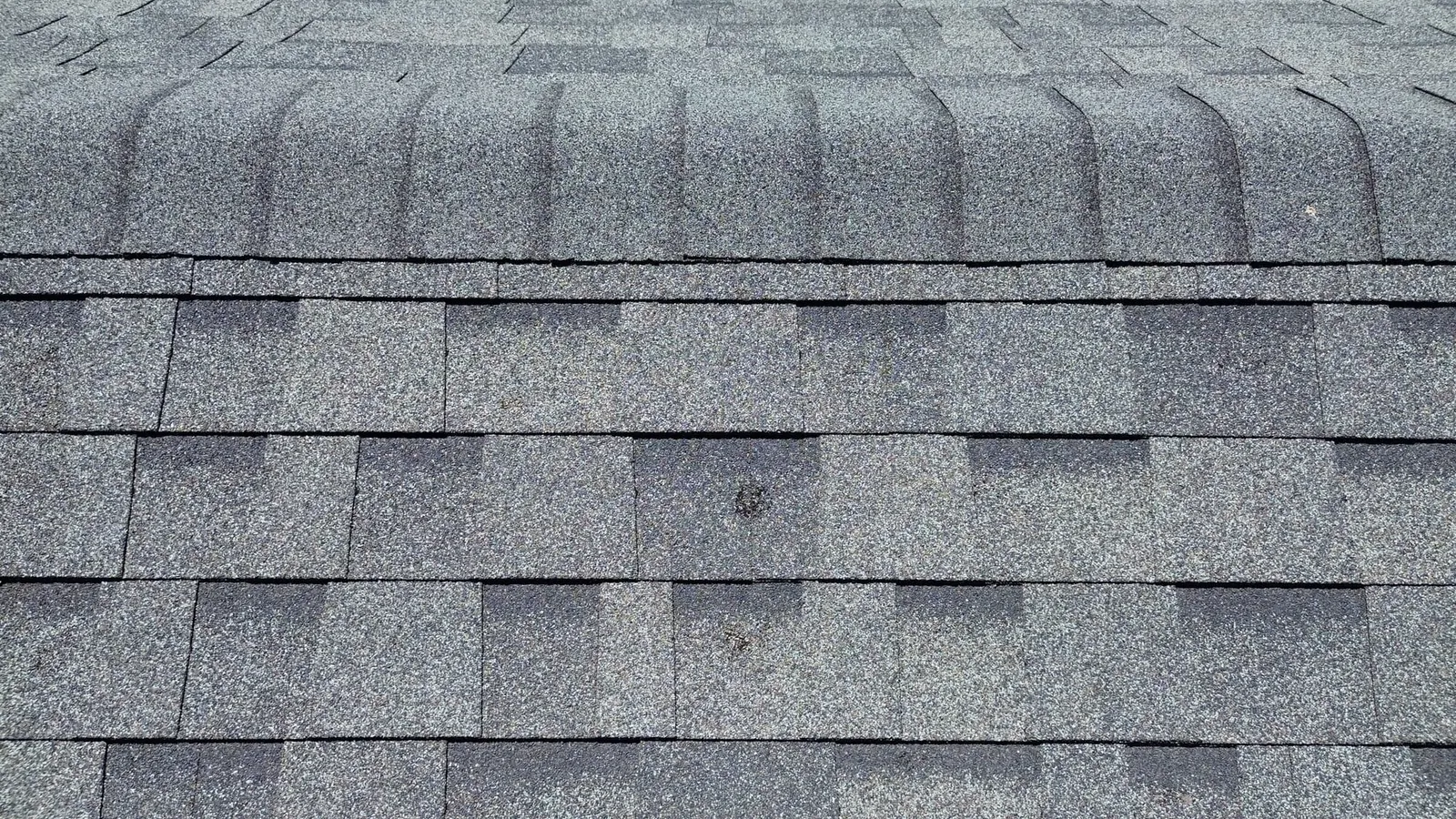
Here’s a thing roofing companies rarely say out loud: sometimes the right move is not filing an insurance claim. Filing is free, but it isn’t costless — and the decision deserves five minutes of clear thinking before anyone calls anybody. Here’s how we’d walk a neighbor through it.
Homeowner’s insurance covers sudden, accidental damage — the hailstorm, the windstorm, the tree limb. It does not cover a roof that simply wore out. That line matters, because filing a claim for wear-and-tear doesn’t just get denied; it still goes on your claims history. The starting question is never “is my roof damaged?” — it’s “did a specific event damage my roof?”
Every claim runs through your deductible, and after recent policy changes many Colorado homeowners now carry wind-and-hail deductibles calculated as a percentage of the home’s insured value — which can be a much bigger number than the old flat deductible. The blunt arithmetic:
Insurers see your claims record when they set renewal pricing, and multiple claims in a short window can affect both your premium and, in some cases, your insurability. One legitimate storm claim is normal and expected — that’s what the policy is for. What you want to avoid is burning a claim on damage that was never going to clear the deductible.
Get a professional inspection before you file — not after. A free, documented inspection does three things a phone call to your insurer can’t:
If the inspection says the damage is minor, you’ve just saved a claim on your record. If it says the roof took a real hit, you’re filing from a position of documented strength. Either way, you decided with facts. The full process — filing, adjuster meeting, checks — is laid out in our claims walkthrough.
After a big storm, someone may knock on your door urging you to “get a claim going today.” Real storm damage doesn’t expire in an afternoon. Anyone manufacturing urgency, or offering to “handle your deductible,” is answering their own question, not yours. Our guide to choosing a roofer covers the rest of the red flags.
Here’s the part worth getting exactly right. Colorado has no state law setting a deadline to report a hail or wind claim — that window lives in your policy, and it varies by carrier: many allow about a year from the date of loss, some as little as six months, and others just say “prompt notice.” Your declarations page or agent can tell you yours in one phone call.
What Colorado law does say (C.R.S. § 10-4-110.8(12)): since 2014, a homeowner’s policy can’t force you to sue your insurer over a dispute on a shorter clock than the statute of limitations — generally three years for contract disputes. That protects you in a fight over a claim; it does not extend your window to report one. Practical translation: you have real time to get an inspection and decide calmly — days and weeks, not hours — but don’t sit on a suspected storm hit for a year.
Sometimes — but the terms change with age, and this is where homeowners get surprised. Many carriers move older roofs from replacement cost coverage to actual cash value (depreciated) coverage, add roof-age surcharges, or require an inspection at renewal. Some won’t write a new policy on a 20+ year roof at all. If your roof is in that range, two things are worth doing before storm season: check your declarations page for how your roof is actually covered, and get a free inspection so you know what shape it’s in. If the shingles still have life left, Roof Renew can extend it — and a documented, maintained roof is an easier conversation with any carrier.
You’ll see this phrase online: the idea that if more than 25% of a roof is damaged, the whole roof must be replaced. Here’s the honest version: that’s a building-code rule from other states — Florida is the famous one — and Colorado has no statewide 25% rule. What matters here is your local building code, whether your existing shingles can still be matched, and what your policy says about matching and partial repairs. That’s a per-roof conversation, not a formula — and it’s exactly the kind of thing we walk through at the inspection.
Not tricks — just discipline. Stick to what’s documented: the storm date, the dated photos, what the inspection found. Don’t guess at causes, dates, or the roof’s age — a wrong guess can follow the claim around. Don’t casually say “it’s probably just old” about damage a storm caused; wear and tear isn’t covered, and words like that end up in notes. And you don’t have to accept the first scope on the spot — you’re allowed to review it. The simplest version of all this: have your roofer at the adjuster meeting. We do it every week, and the scope conversation goes better when someone who’s been on your roof is standing on it with the adjuster.
A storm hit, the damage is real, and it’s comfortably bigger than your deductible: file, and we’ll walk the whole thing with you. The roof is just old, or the damage is small: skip the claim, fix what needs fixing, and keep your record clean. Not sure which one you’re looking at? That’s exactly what the free inspection is for.
The inspection is free, and we photograph everything we find.