Ignore the packaging numbers — Colorado's high-altitude UV, daily temperature swings, and hail age every roof faster than the national brochure assumes. Rough honest ranges here: asphalt shingle gives a solid couple of decades with care, metal and tile run multiples of that (though tile's underlayment doesn't), shake demands maintenance to reach its potential, and composite splits the difference. Ventilation, install quality, and catching small problems early move the number more than brand choice.
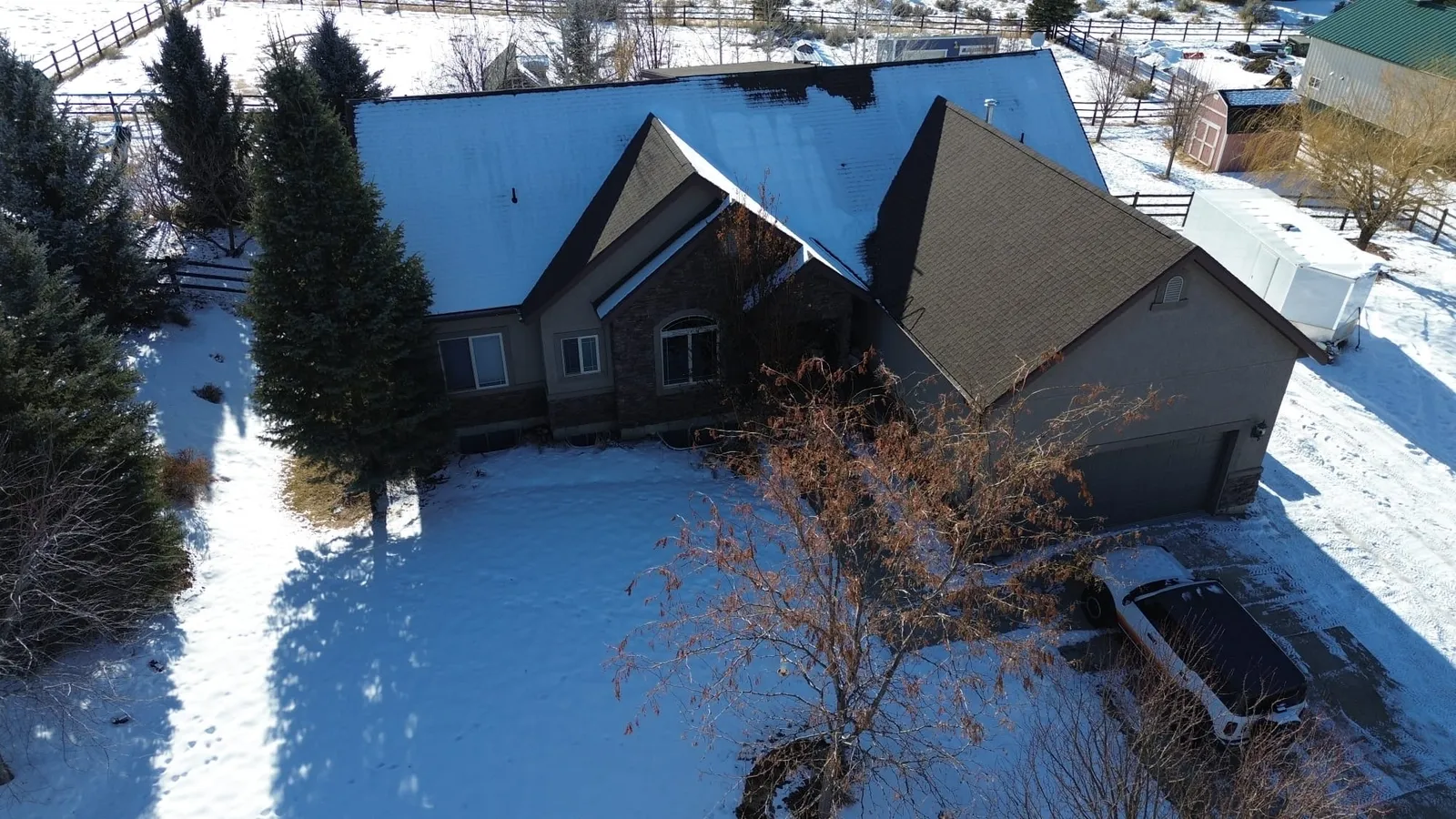
“How long will it last?” is the first honest question about any roof, and it gets the least honest answers — because the numbers printed on packaging come from testing labs, not from a high-desert valley at 4,700 feet. Here’s the Western Slope version of the answer, material by material, from a crew that sees what our climate actually does.
Three forces work on a roof here harder than in most of the country, and we’ve written about them in detail:
With that context, here’s the material-by-material honest version.
Architectural shingle is the Valley’s default roof, and here it lives a harder life than its packaging assumes. A well-installed architectural roof with decent attic ventilation gives most Western Slope homeowners a solid couple of decades of service; neglected ventilation or a bargain install can shave real years off that. Class 4 impact-rated shingle ages the same way in the sun but survives the hailstorms that end many shingle roofs early — in Colorado, hail is the lifespan variable that matters most.
What moves the number: attic ventilation (a cooked deck ages from below), annual inspections, and small repairs done while they’re small. For a shingle roof in its second decade that’s aging but sound, rejuvenation can buy meaningful extra years for a fraction of replacement.
A properly installed metal roof runs decades beyond any asphalt product — for many homeowners it’s genuinely the last roof they buy. Our UV, the killer of organic materials, mostly just mellows a metal finish. The honest asterisks: Tuff Rib’s exposed gasketed screws want a checkup every handful of years, while standing seam’s concealed fasteners ask for essentially nothing — that difference is most of what the standing seam premium buys. And large hail can cosmetically dent any metal panel, so know how your policy treats cosmetic damage before the storm, not after.
Here’s the trap that catches tile roof owners: concrete and clay tile genuinely lasts generations in our climate — the sun that destroys asphalt doesn’t touch it. But the tile is weather armor, not waterproofing. The underlayment membrane beneath does the real work, and heat ages it out decades before the tile quits. When a tile roof leaks with no broken tiles in sight, that membrane is the story. The good news: the fix is usually lifting the tile, replacing the underlayment, and re-laying the same tile — the look survives, the clock resets.
Real cedar can serve for decades — if someone keeps the keyways clear, replaces split shakes promptly, and lets the roof breathe. Our UV pulls oils out of shake faster than anywhere cedar naturally grows, and the same neglect a shingle roof tolerates for years can cost a shake roof a decade. Add hail that splits dry shakes outright and insurers that increasingly frown on aging shake, and the lifespan question becomes a commitment question. For owners who love the look without the upkeep, composite shake is the modern middle path.
Composite (synthetic) roofing is the newest of the five, engineered specifically against the two things our climate weaponizes: UV-stabilized polymers shrug off the sun, and Class 4 impact ratings shrug off most hail. Premium composite lines are built for a long multi-decade service life, and unlike tile there’s no hidden membrane doing the real work on a shorter clock. The trade is upfront cost — composite competes with metal, not shingle.
Whatever’s on your roof, three things stretch or shrink its life more than the brand name:
If you skimmed to the bottom, the honest one-liner per material, Western Slope edition: architectural shingle gives a solid couple of decades with decent ventilation, and Class 4 versions survive the hail that ends most shingle roofs early. Metal runs decades beyond any asphalt product and mostly ignores our UV — check screws every few years on exposed-fastener systems. Tile lasts generations, but its underlayment retires decades sooner, so budget for a re-lay, not a tile problem. Shake reaches its potential only on a real maintenance schedule our sun makes non-negotiable. Composite is engineered for exactly our two threats — UV and hail — and holds its numbers with the least drama. Whatever’s up there, ventilation and early small repairs move the needle more than the brand on the wrapper ever will.
No article can tell you that, and we’d be suspicious of one that tried. What we can do is get on the roof, photograph what we find, and give you an honest number with reasons attached — including “you’ve got years left, call us later,” which is a thing we say weekly. Inspections are free, and if the answer someday is “it’s time,” you’ll want to know what actually drives the cost before the bids arrive.
The inspection is free, and we photograph everything we find.