Four things age Grand Valley roofs faster than the brochure says: intense high-altitude UV, big daily temperature swings, winter freeze-thaw cycles, and wind. You can't change the climate, but annual inspections, good attic ventilation, and small repairs done early routinely buy a roof years of extra life.
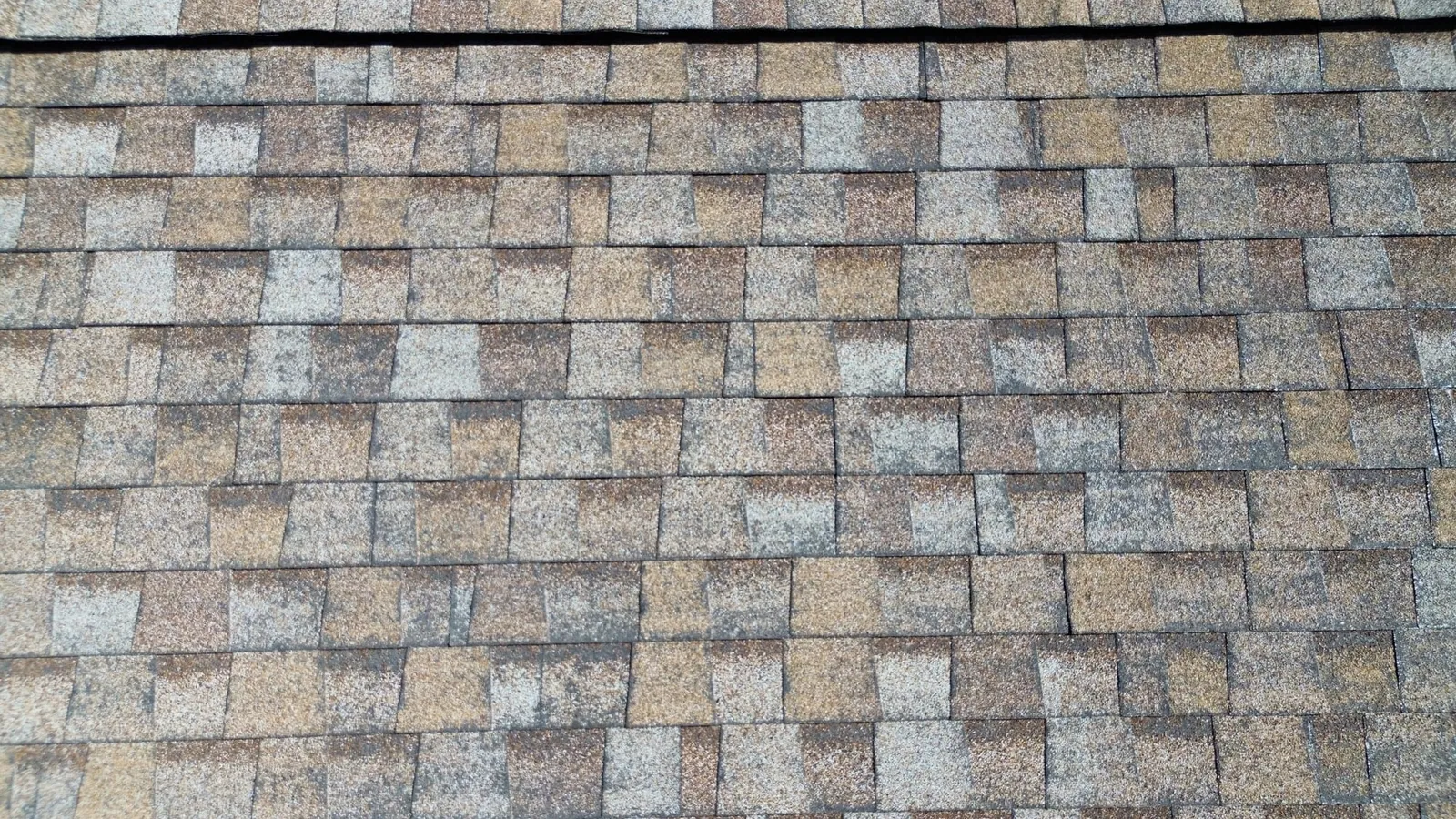
Ask a shingle manufacturer how long their product lasts and you’ll get a number tested in a lab. Ask a Western Slope roofer and you’ll get a smaller one. The gap isn’t the shingle’s fault — it’s the four things our climate does to a roof that the brochure never mentions.
At 4,500+ feet, there’s simply less atmosphere between the sun and your shingles. UV exposure climbs roughly 4–5% for every 1,000 feet of elevation, and UV is what dries the oils out of asphalt shingles — making them brittle, curling their edges, and loosening the granules that protect them. It’s why a south-facing slope in Grand Junction always ages faster than the north side (ask any of our roofers in Grand Junction which side they check first) of the same roof, and why the “25-year” shingle conversation is different here than in Ohio.
Our high-desert climate routinely swings 30–40 degrees between afternoon and dawn. Every swing makes the roof expand and contract — thousands of cycles a year that work fasteners loose, fatigue flashing, and open hairline gaps at sealant lines. No single cycle matters. Twenty years of them do.
Winter here hovers around freezing rather than staying frozen, which is the worst case for a roof: snowmelt runs into small gaps during the day, freezes and expands at night, and pries the gap wider — then repeats. It’s the same force that potholes I-70, working on your shingle edges, flashing, and any crack that got a head start.
Canyon-country wind events lift shingle edges, and once an edge has lifted even slightly, it catches the next gust more easily. Wind damage compounds quietly: the shingle that lifted last spring is the one that tears off in this fall’s storm — and storm season is its own topic, covered in our storm damage guide.
Want to see all of this on your own house? Stand where you can compare your south- or west-facing slope to the north-facing one. On most Grand Valley roofs past age ten, the difference is visible from the driveway: the sunny side looks faded, dried, maybe curling at the shingle corners, while the shaded side still looks close to its original color. Same shingles, same installer, same age — the only variable is our sun. That gap between the two slopes is your roof’s aging speedometer, and it’s exactly why an inspector walks the south slope first. Take a photo of both slopes today and again next summer from the same spot — the year-over-year comparison tells you more about your roof’s trajectory than any lifespan chart, and it costs nothing but two minutes of standing in your driveway.
A rough field guide from the roofs we walk: in the first five years, problems are almost always installation-related — a boot that wasn’t seated, a flashing shortcut — and they’re cheap to fix. Years five to fifteen is the quiet middle age where small maintenance (a cracked boot, a lifted tab after a windstorm) is all most roofs need. Past fifteen, our UV starts cashing its checks: granule loss accelerates, edges curl, and hail the roof once shrugged off starts leaving marks. That’s when the repair-or-replace conversation starts being honest — and when rejuvenation can make sense for a roof that’s dry but still sound.
Grand Junction sits at about 4,600 feet, Palisade and Fruita close behind, and Montrose higher still — which means every roof in our service area takes measurably more UV than the same shingle would at sea level. Add sun most days of the year and almost no cloud cover in summer, and the “lab number” on the packaging quietly loses several years before the roof is even installed. That’s not a defect; it’s geography. It’s also why the habits below matter more here than in most of the country.
Some. Class 4 impact-rated shingles survive the hail that ends many Western Slope roofs early — in practice, hail is the lifespan variable that matters most here. Color and brand matter less than people hope: a quality architectural shingle, installed correctly over a ventilated attic, outlives a premium shingle over a cooked one. If you’re choosing a new roof, put your money in the rating, the install, and the ventilation — in that order. (How long each material actually lasts here is its own honest breakdown.)
You can’t change the climate, but three habits reliably fight it:
For roofs in the second half of their life, tune-up work — resealing penetrations, replacing damaged tabs, addressing ventilation — is exactly what our Roof Renew program packages up.
Western Slope roofs live a harder life than the same roof would almost anywhere else in the country. The owners who get the most years out of theirs aren’t lucky — they just look at it (or have us look at it) once a year and fix small things while they’re small. The climate sets the pace here; the owner decides whether the roof keeps up with it.
The inspection is free, and we photograph everything we find.