Hang Christmas lights with plastic clips, never nails or staples. Every hole in a shingle or in the metal along the roof's edge is a place for water to get in, and prying shingles up for a clip can break the seal that holds them down in wind. Gutter clips hook over the gutter's front edge; where there's no gutter, clips grip the drip edge or the shingle edge without lifting it. Stay off the roof and work from a ladder that's set up right. In Grand Junction, a dry November afternoon is the time to do it: December highs average in the 30s, and the sun sets before 5 p.m.
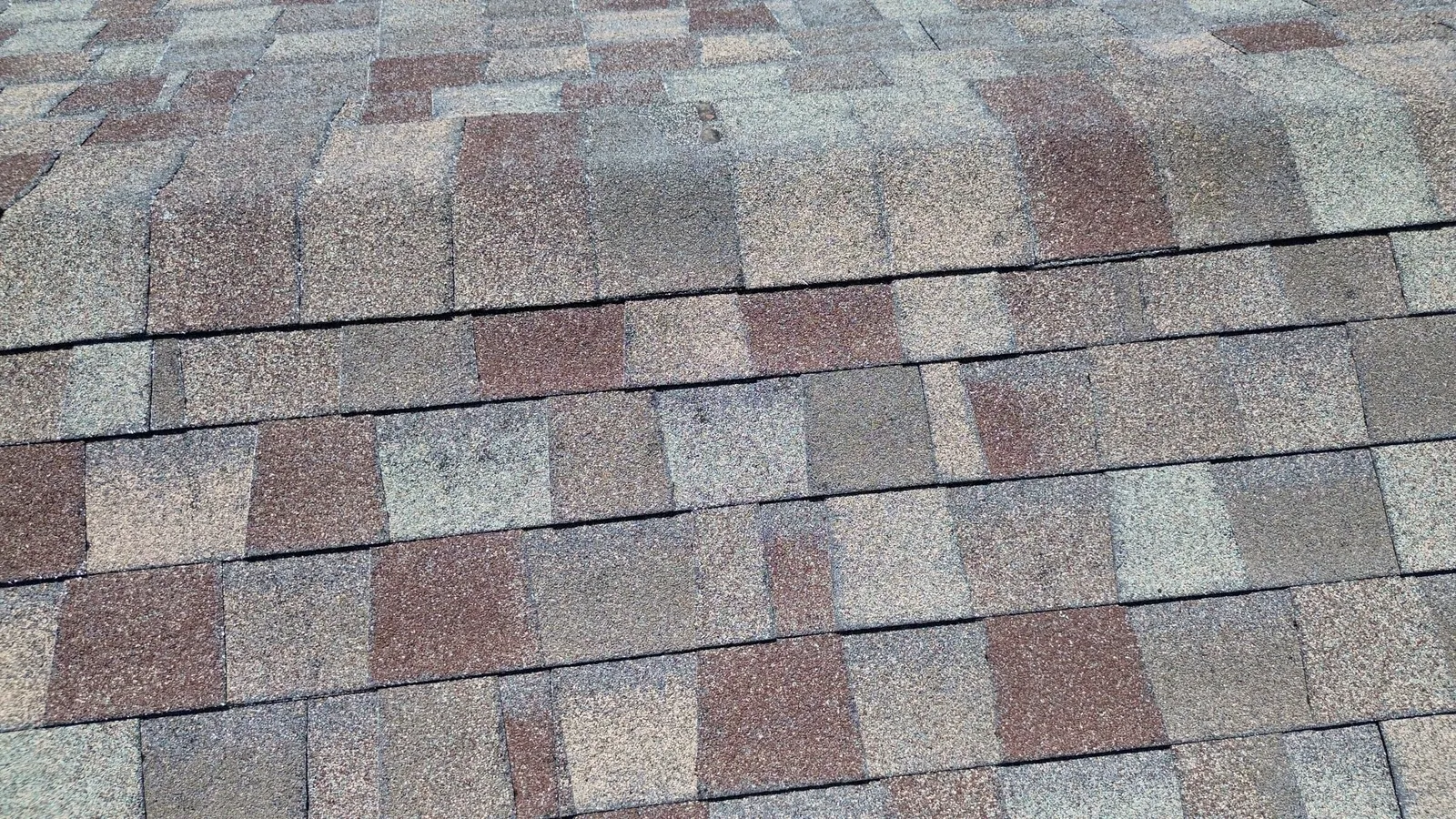
Christmas lights don’t hurt a roof. What holds them up can. A nail through a shingle, a staple through the metal edge, or a shingle pried up to slip a clip underneath can all outlast the holidays as a leak or a loose shingle.
Here’s how to hang lights with clips instead, which clips go where, and how to do it without ever setting foot on the roof.
Shingle makers are blunt about this. CertainTeed’s holiday guide sums it up as “Clips, Not Nails or Staples,” and explains that penetrating fasteners leave punctured roofing materials, which lead to leaks and long-term deterioration. IKO, another shingle maker, says never to poke a hole in your asphalt shingles, or any other part of your roof, no matter how small. Even small holes in shingles can create leaks, IKO notes, and holes in the fascia board can make it rot.
The metal parts matter just as much. The strip of metal along the roof’s edge is the drip edge, and our free roof inspection checklist sums up its job: it determines whether water leaves the roof or gets behind it. A staple through it is a hole in the part built to steer water off the house. The metal flashing where a roof meets a chimney or a wall is even touchier. Our inspection checklist puts it plainly: flashing is the leak source we find most often, more than the shingles themselves.
Nails and staples can hurt the lights, too. The Electrical Safety Foundation International (ESFI) says not to mount or support light strings in any way that might damage the cord’s insulation, and a staple driven over a cord can do exactly that.
Clips that slide under shingles look harmless, but they carry their own risk. Self-sealing asphalt shingles have a strip of temperature-activated adhesive that bonds the lower edge of each shingle to the one below it, the Insurance Institute for Business & Home Safety (IBHS) explains. Its wind testing found that the strength of that seal is the most important factor in how those shingles hold up in high wind. Prying a shingle up to fit a clip under it can break that bond. IKO’s advice is to skip clips that tuck under shingles altogether: “Hanging lights isn’t worth the risk of lifting your shingles up.”
Our winters make a broken seal slower to heal. Owens Corning’s cold-weather bulletin says the sun’s heat activates the sealant on its shingles, and that shingles put down at or below 40 degrees may not seal until warmer temperatures arrive. NOAA’s 1991–2020 climate normals put the normal high at the Grand Junction airport at about 39 degrees in December and 38 in January. So a shingle pried loose for a clip in December may not stick back down on its own for a while, and a loose edge is what wind gets under. As our roof repair page puts it, canyon wind peels shingle edges and tears tabs off outright.
Cold also makes shingles easier to damage. CertainTeed notes that cold shingles are more prone to cracking.
Use plastic clips. CertainTeed recommends them because they hold lights to shingles and gutters without causing damage. IKO points out the other advantage: you can use as many clips as the display needs without leaving a bunch of holes in your roof. Which clip you need depends on the edge you’re clipping to.
Space the clips close enough together that the string stays taut and straight, IKO adds.
Both shingle makers say it. “Never stand or walk on the roof,” IKO’s guide says, and CertainTeed’s advice is to leave rooftop travel to sure-footed professionals, especially in cold weather. Everything along the eaves can be done from a ladder, and some of it from the ground: IKO suggests a light-hanging pole, which puts clips up along the roof edge without a climb.
If the plan calls for lights on the ridge or up the roof itself, that’s a job to hire out.
Falls are the big risk in holiday decorating. The U.S. Consumer Product Safety Commission (CPSC) counts about 160 Christmas decorating injuries a day during the holiday season, and nearly half of them involve falls. In its most recent count, about 14,900 people were treated in emergency rooms for decorating injuries in a single season.
Before you climb:
On the ladder:
November afternoons are the window. At the Grand Junction airport, the normal November high is about 52 degrees. By December it’s about 39, and the low drops to freezing or below on about 30 of December’s 31 nights, by NOAA’s normals. CertainTeed’s advice is to decorate on clear, mild days, avoid working during or after snowfall and never hang lights on icy surfaces. OSHA adds that rungs, steps and ladder feet must be free of slippery material, and on a December morning here that can mean frost.
The light goes early. The sun sets before 5 p.m. in Grand Junction from mid-November through late December, as early as about 4:51 p.m. in early December, by U.S. Naval Observatory tables. Plan the ladder work for midday, not after work.
Metal roof? Look up first. Metal roofs shed snow, sometimes all at once, and the Metal Construction Association warns that a sudden release can drop snow below the eaves in seconds. Don’t set a ladder under an eave while snow is still sitting on the metal above it. Our snow guards article covers where that snow lands.
A few electrical basics, from CPSC, ESFI and UL Solutions:
Lights come down the way they went up: carefully, one clip at a time. IKO warns that pulling on the string to strip a whole run at once can pull down gutters and damage the shingles. January’s normal high in Grand Junction is about 38 degrees, so the same rules apply: a mild, dry afternoon, no frost on the rungs, and no prying up a shingle to free a stuck clip.
Once they’re down, take a look from the ground. CertainTeed suggests checking your roof from the ground with binoculars, and our guide to spotting damage from the ground covers what you can see from the driveway, no ladder required.
If past years’ lights went up with nails or staples, or you’ve spotted a lifted shingle along the eave, it’s worth a look before winter settles in. Ask for a free roof inspection. We get on the roof, photograph what we find, and give it to you straight, even when the answer is “your roof is fine.”
If a shingle has lifted, our roof repair page puts it simply: replaced and sealed promptly, it stays a small job instead of becoming a decking job. We’re based in Fruita and on Grand Junction roofs nearly every week.
Not into the roof. IKO says never to puncture any part of the roof with staples or nails, and CertainTeed says penetrating fasteners lead to leaks and long-term deterioration. Plastic clips do the same job without the holes.
Plastic clips that hook over the front edge of a gutter and hold the light string or the bulbs. Where there’s no gutter, use clips made for the drip edge or the shingle edge, and put them on without lifting the shingle.
IKO recommends avoiding clips that tuck under shingles, because lifting a shingle risks breaking the seal that holds it down in wind. In our December cold, a broken seal may not stick back down on its own for a while.
No. IKO says never to stand or walk on the roof, and CertainTeed says to leave rooftop travel to professionals, especially in cold weather, when shingles crack more easily.
On a dry, mild afternoon, ideally in November. The normal high drops from about 52 degrees in November to about 39 in December, and from mid-November the sun sets before 5 p.m.
They’re worth a look. Even small holes in shingles can create leaks, IKO notes. Bring them up during a free roof inspection, and we’ll photograph what we find.
Clips, not nails or staples. Gutter clips hook over the gutter’s edge, and where there’s no gutter, clips grip the drip edge or the shingle edge without lifting it. Skip clips that tuck under shingles: in a Grand Junction December, a broken seal may not stick back down for a while, and canyon wind finds loose edges. Stay off the roof, set the ladder up right, and do the work on a mild November afternoon while there’s daylight. And if past years left nail holes behind, the inspection is free.
The inspection is free, and we photograph everything we find.